Staff
Faculty
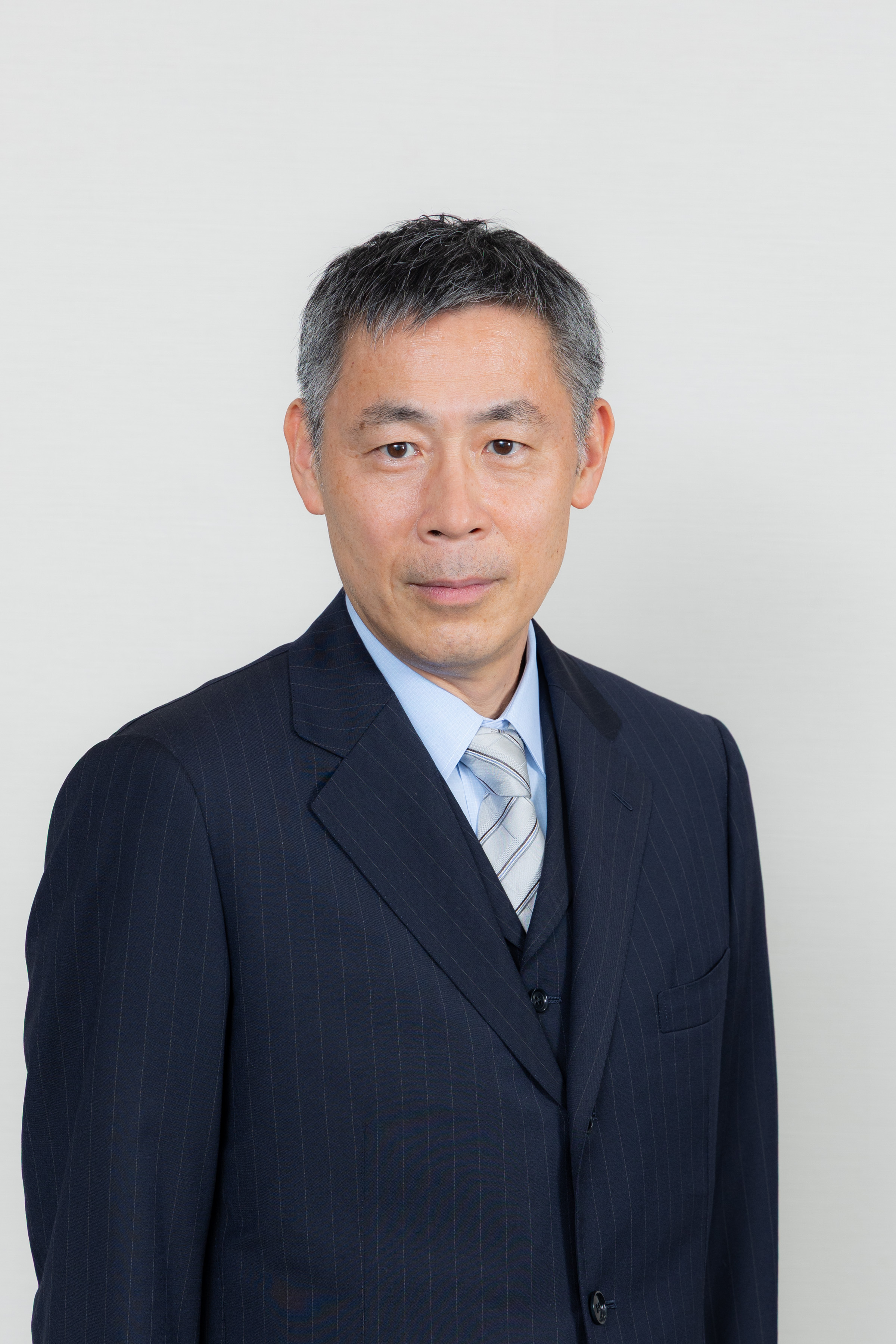
Yasushi Kiyono
Professor, Division of Molecular Probe Design, Area of Molecular Probe Development and Application (also serving as Director of the Center)
Research Theme
Development of molecular imaging probes and radiopharmaceuticals for radionuclide therapy based on disease characteristics
Comment
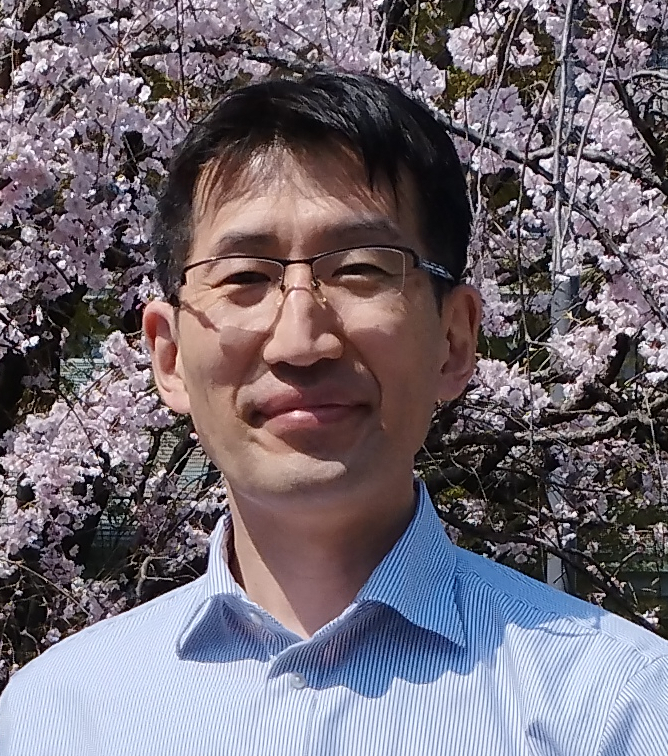
Yasutaka Fushimi
Professor, Division of Biofunctional Analysis, Area of Molecular Imaging Applications
Research Theme
Integrated imaging of structure, function, and metabolism; theranostics
Comment
We conduct research on imaging that integrates structure, function, and metabolism, with a primary focus on PET/MRI studies.
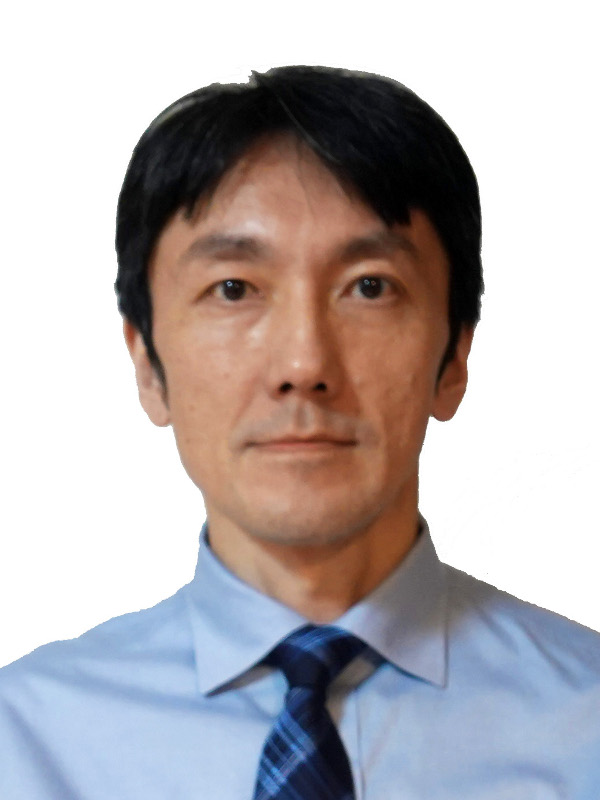
Munenobu Nogami
Associate Professor, Division of Biofunctional Analysis, Area of Molecular Imaging Applications
Research Theme
Development of diagnostic imaging methods using molecular and hybrid imaging, primarily for tumors
Comment
We conduct clinical research using hybrid imaging, which combines different imaging modalities such as PET with CT or MRI. In particular, we are developing new diagnostic imaging methods based on simultaneous PET and MRI acquisition using integrated PET/MRI systems. We actively investigate diagnostic approaches that combine highly quantitative PET using various tracers (molecular probes) with MRI, which provides both functional and anatomical information.
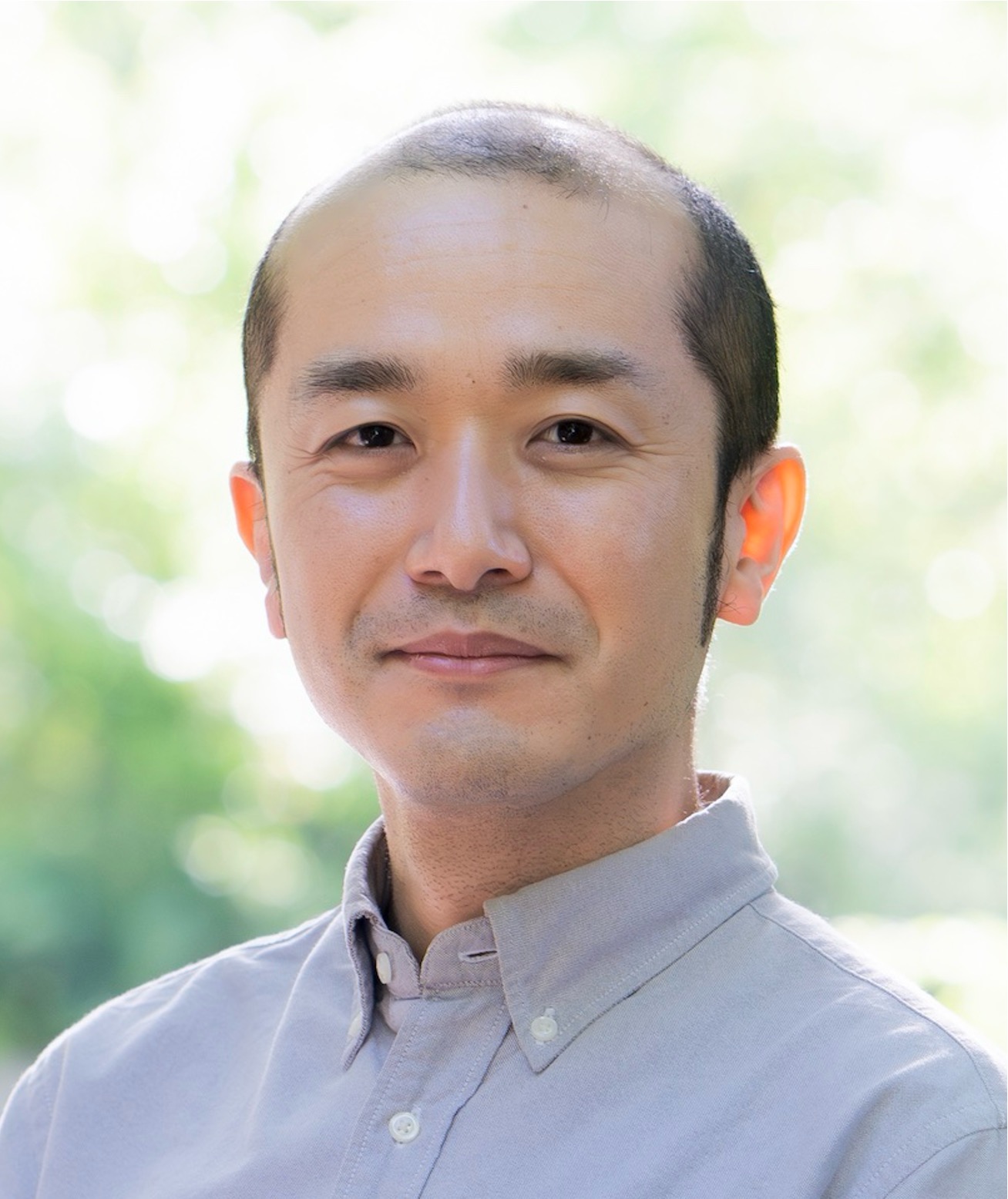
Hiroyuki Watanabe
Associate Professor, Division of Cellular Function Analysis, Area of Molecular Probe Development and Application
Research Theme
Creation of novel compounds for disease diagnosis, treatment, and pathophysiological elucidation
Comment
We develop novel radiolabeled probes to elucidate the central nervous system and central–peripheral interactions and to establish new diagnostic methods.
We are also working to create a platform that can be broadly applied to targeted radionuclide therapy for various cancers.
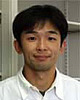
Tetsuya Mori
Assistant Professor, Division of PET Radiopharmaceutical Production, Area of Molecular Imaging Applications
Research Theme
Comment
I am involved in the production and quality control of clinical PET radiopharmaceuticals, including FDG. In basic research, I synthesize F-18/C-11-labeled compounds and evaluate them in small animals to develop new in vivo imaging agents. I am also developing automated synthesis systems with clinical application in mind.
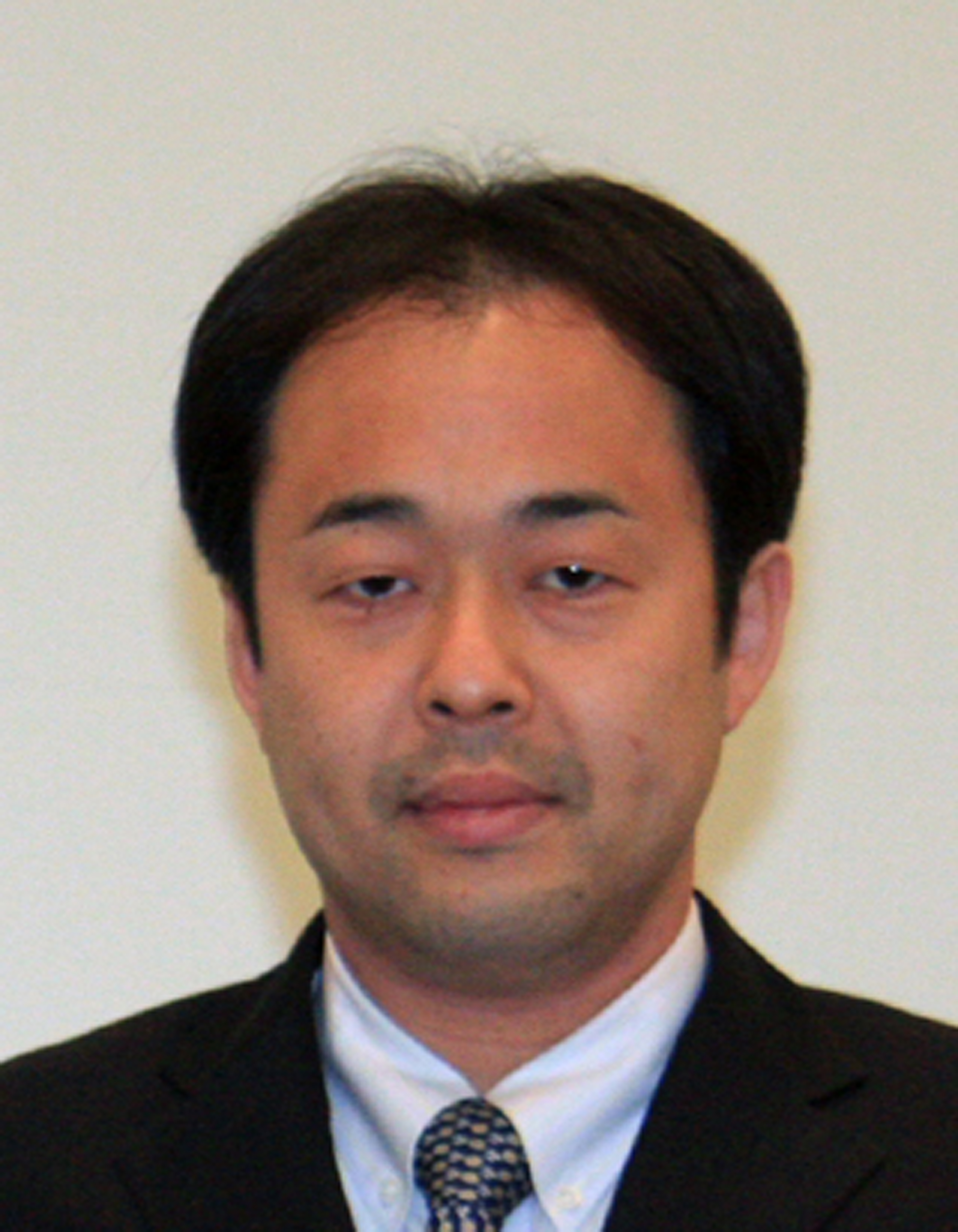
Akira Makino
Specially Appointed Professor, Division of Cellular Function Analysis, Area of Molecular Probe Development and Application
Research Theme
Design, synthesis, and biological evaluation of novel radiopharmaceuticals for nuclear medicine diagnosis and therapy
Comment
We are developing new PET probes based on disease characteristics. Using synthetic chemistry approaches, we create candidate probes with high selectivity for target molecules. We also evaluate their biodistribution and efficacy in cultured cells and small animals. Based on these results, we iteratively advance molecular design, chemical synthesis, and biological evaluation to establish new diagnostic methods that have been difficult with conventional approaches, with clinical application in view. In addition, we develop target-directed radiopharmaceuticals for radionuclide therapy, designing agents while considering the radiation quality emitted by radionuclides, including alpha particles, beta particles, and Auger electrons. Through these studies, we aim to realize theranostics that integrates diagnosis and treatment.
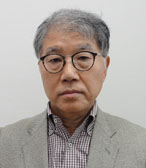
Shigetoshi Oiki
Specially Appointed Professor
Research Theme
Physiology and biophysics of ion channels: How do ion channels generate function within membranes that undergo chemical and physical changes? We aim to elucidate the molecular mechanisms by capturing the three-dimensional structures of channels and changes in membrane morphology through single-molecule theory, computation, and experiments. Through this fundamental research, we seek to understand channelopathies caused by abnormalities in ion channel proteins and explore paths toward overcoming them.
Comment
Ion channels are proteins in the cell membrane that generate the electrical phenomena of living organisms. Channel function is not simply a matter of the channel protein itself; rather, it is an environmental issue in which the surrounding membrane environment plays an important role. Molecular-level imaging using various microscopes and computational methods will become increasingly important.
Collaborative Research Division
Koichi Matsumura
Visiting Associate Professor
AI-assisted diagnostic imaging
Toyohiko Sakai
Associate Professor
Research Collaborators

Minyoung Jung
Brain functional and structural imaging research
Masamichi Ikawa
Students
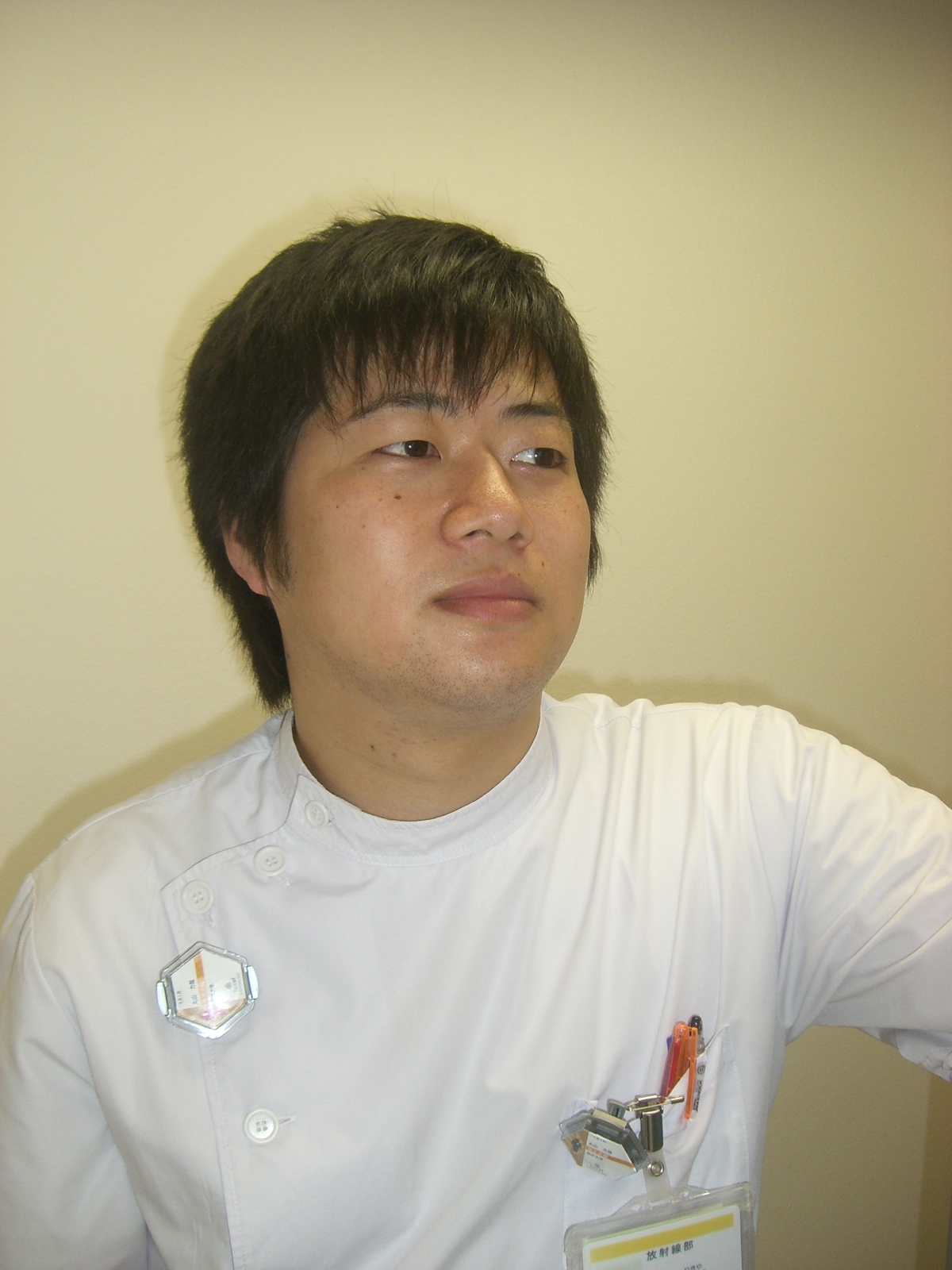
Rikiya Maruyama
PET & MRI
Administrative and Technical Staff
Yuki Miyazaki
General Affairs Office, Matsuoka Campus, University of Fukui
Yumiko Kurokawa
Technical Assistant
Comment
I handle PET appointment scheduling, RI management, clinical support, and related duties.
Hiromi Matsuoka
Technical Assistant
Miyuki Yabu
Technical Assistant
Hiroshi Oikawa
Radiological Technologist, Biomedical Imaging Research Center
Comment
I perform PET imaging and manage the small-animal PET system, among other duties.
Emiko Mizuguchi
Administrative Assistant
Industry Collaborators
Yo Ito
CMI Co., Ltd.
Operation and maintenance of a CTI-manufactured cyclotron. I work to ensure stable operation.
Visiting Professors
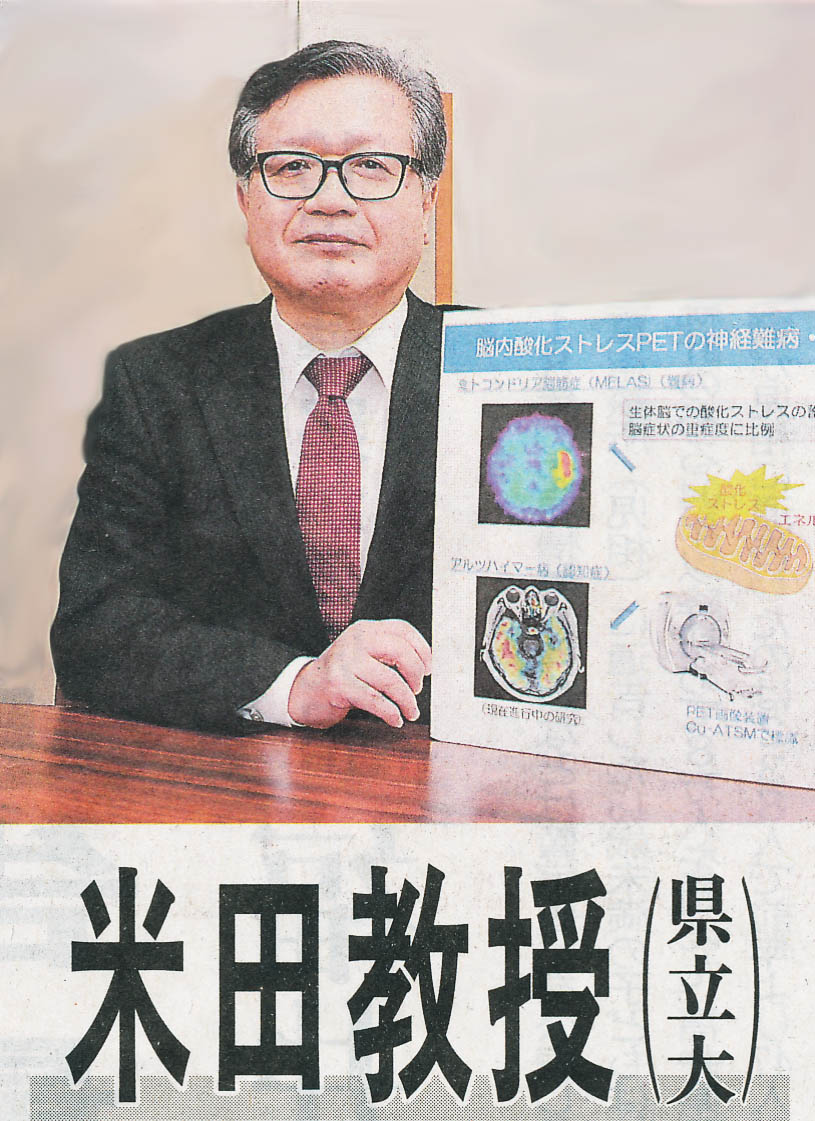
Makoto Yoneda
Division of Neurological Pathophysiology Analysis
Research Theme
Functional imaging of mitochondria in neurodegenerative diseases
Comment
We aim to analyze mitochondrial abnormalities and oxidative stress using PET and elucidate the pathophysiology of neurodegenerative diseases.
Keiichi Kawai
Division of International Training in Medical Imaging
Research Theme
Development of radiopharmaceuticals and tumor diagnosis and therapy
Hiroyasu Tamamura
Division of Cancer Pathophysiology Control and Therapy
Naoto Omata
Division of Neurological Pathophysiology Analysis
Atsuo Waki
Division of PET Engineering
Former Directors
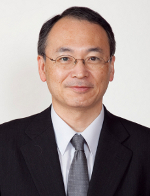
Hidehiko Okazawa
4th Director(2010.05.~2023.03)
Research Subject
Functional imaging using methods for molecular imaging; Kinetic modeling using PET; Activation studies with O-15 water or fMRI
Comment
The research target of the Division of Biomedical Imaging is to generate, analyze and translate various functional in vivo images using positron emission tomography (PET), MRI and other modalities of medical imaging devices. Kinetic modeling with physiological analysis and applying molecular imaging methods to clinical studies are good examples of our research target. Brain activation studies using fMRI are also a major subject of our research interest.
Yasuhisa Fujibayashi, PhD, DMedSci
3rd Director (2006.04.~2010.03) Emeritus Professor
Recent progress in molecular biology brings us a new insight of diseases, namely abnormality of gene expression. Our focus is to develop molecular probes which allow us to visualize disease-related gene expression non-invasively. Present target organs are brain, heart and tumors. Internal radiation therapy agent labeled with beta emitting nuclide is also under development.
Yoshiharu Yonekura, MD, PhD
2nd Director(1998.04.~2006.03) Emeritus Professor
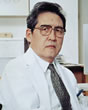
Yasushi Ishii, MD, PhD
1st Director(1994.05.~1998.03) Emeritus Professor
1. Development of tumor imaging probes: development of molecular imaging probes targeting energy metabolism, receptor function, and transporter function
2. Development of brain disease imaging probes: development of molecular imaging probes targeting psychiatric and neurodegenerative diseases
3. Development of therapeutic radiopharmaceuticals: development of radionuclide therapy agents using Auger electrons